Built from curiosity, not curriculum
Seed Raven began when a group of educators noticed something unusual during outdoor field trips. Children who struggled to focus in classroom settings would spend thirty minutes examining a single seed pod or following an ant trail without prompting.
The pattern repeated across different age groups and environments. The difference wasn't the children. It was the medium.
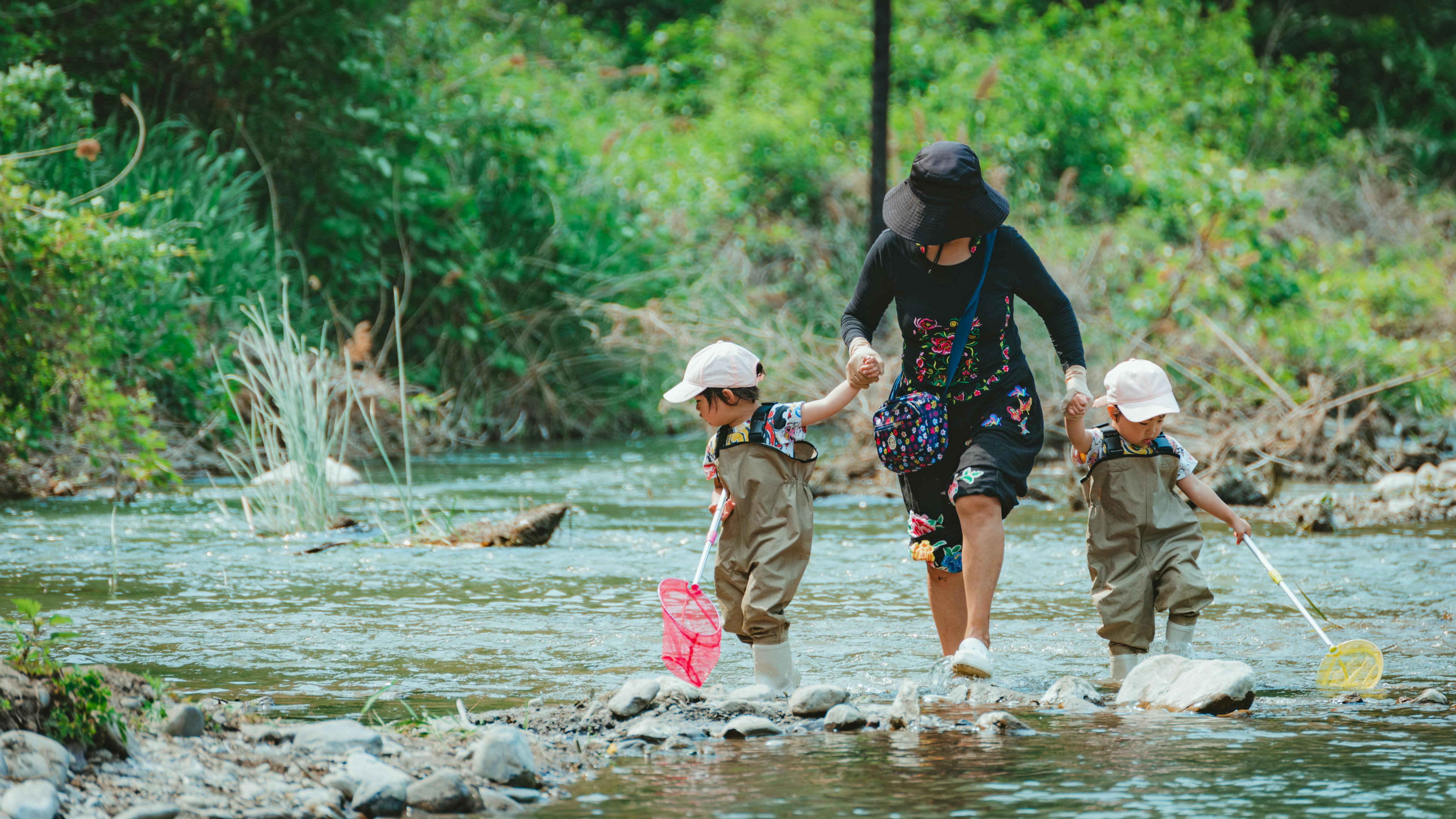

Real materials, real learning
We rejected the idea of simplified educational substitutes. If a child is learning about plant growth, they should work with actual seeds that require care, attention, and patience. If they're studying geology, they should handle real minerals with varying hardness and composition.
This approach demands more from both the child and the adult supervising them, but the retention and genuine interest are measurably different.
Our approach
Each kit we design starts with a question, not an answer. What would make a child want to check on something every day for three weeks? What observation would lead them to ask follow-up questions their parents might not immediately know how to answer?
We test prototypes with children who have never met us, watching what they ignore and what captures sustained attention. The kits that make it to production are the ones that children return to voluntarily, days after the initial novelty has worn off.
This testing process often reveals that our initial assumptions were wrong. The most popular element of our insect kit turned out to be the magnification tools, not the collection containers. The woodland bundle sells primarily because of the bark rubbing materials, not the identification cards we thought would be the draw.
Research foundation
Our methods align with findings that suggest nature-based experiences may support attention and cognitive development in children [1]. Direct interaction with natural materials appears to encourage sustained focus and self-directed inquiry [2].
We collaborate with educators and child development researchers to refine our kits, though the final test is always whether children choose to engage when given the option to do something else.